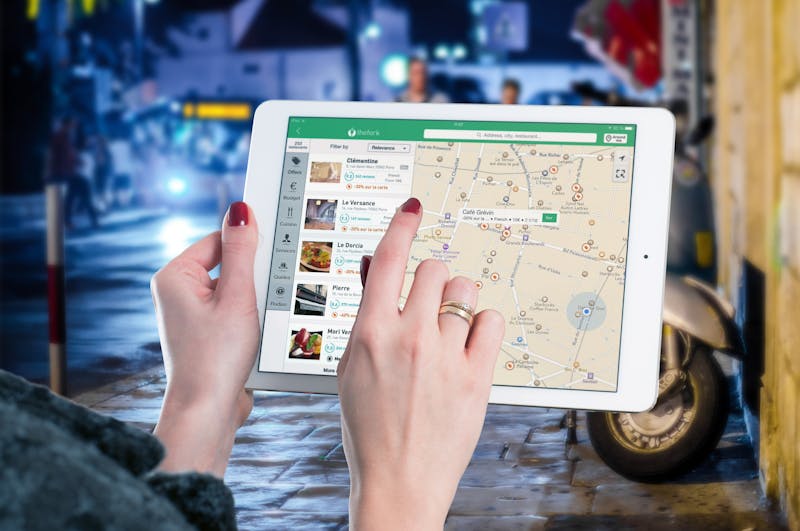
Your listing gets far more eyes than your homepage does. Where the two disagree, people believe the listing.
The primary category does the work
The single primary category carries most of your visibility. Reaching for a broad one to stay flexible is the standard route to ranking for nothing at all.
Set it to the work you want repeating, put everything else in as secondary, and revisit it whenever the job mix shifts.
Service area or address, not both by accident
Shopfront businesses show the address. Mobile trades set a radius and hide it. An address on a unit nobody sits in collects reviews from people who found it locked.
Draw the boundary where you truly go. Claiming every township across four counties thins the listing out and fills your phone with jobs you refuse.

Hours, holidays, and parade days
Bad hours produce one-star reviews from people who drove in, paid to park, and found you shut. Set the holiday hours ahead of time.
Set them for the days a parade or a game makes your block unreachable, too.
Photos, recent and real
A listing showing recent jobs earns more taps than one showing a logo and a stock shot. Three or four every month works better than a single annual dump.
Photograph the front of the building and the parking, so a first-time visitor knows they have the right rowhouse.
Send each service to its own page
Routing every tap to the homepage throws the intent away. Somebody who clicked about roof coating should land already reading about roof coating.
Neighborhoods behave the same. Fishtown in the query means Fishtown on the screen when the page opens.
Ask for reviews at the right moment
Ask face to face, the moment the work is signed off and they are pleased, with the link already up on your phone. A bulk email three weeks on achieves nothing.
Respond to every one, the rough ones included, and pitch the reply at whoever reads it months from now. That person is the real audience.